Photo by MART PRODUCTION on Pexels
Healthcare Technology Trends: Innovations Transforming Patient Care
Introduction
The healthcare industry is undergoing a significant transformation driven by technological advancements. These innovations are impacting various aspects of patient care, from diagnosis and treatment to remote monitoring and data management. This article examines key healthcare technology trends shaping the future of medicine.
Telehealth and Remote Patient Monitoring
Telehealth, the delivery of healthcare services remotely via technology, continues to expand. Driven initially by necessity, telehealth adoption continues to grow as patients and providers recognize its convenience and efficiency. Remote patient monitoring (RPM) devices enable continuous tracking of vital signs and other health metrics, allowing for early detection of potential problems and personalized interventions. RPM is especially beneficial for managing chronic conditions and improving outcomes for patients in remote areas or with limited mobility. These advancements also tie into broader business application strategies focused on efficiency and accessibility.
Artificial Intelligence and Machine Learning
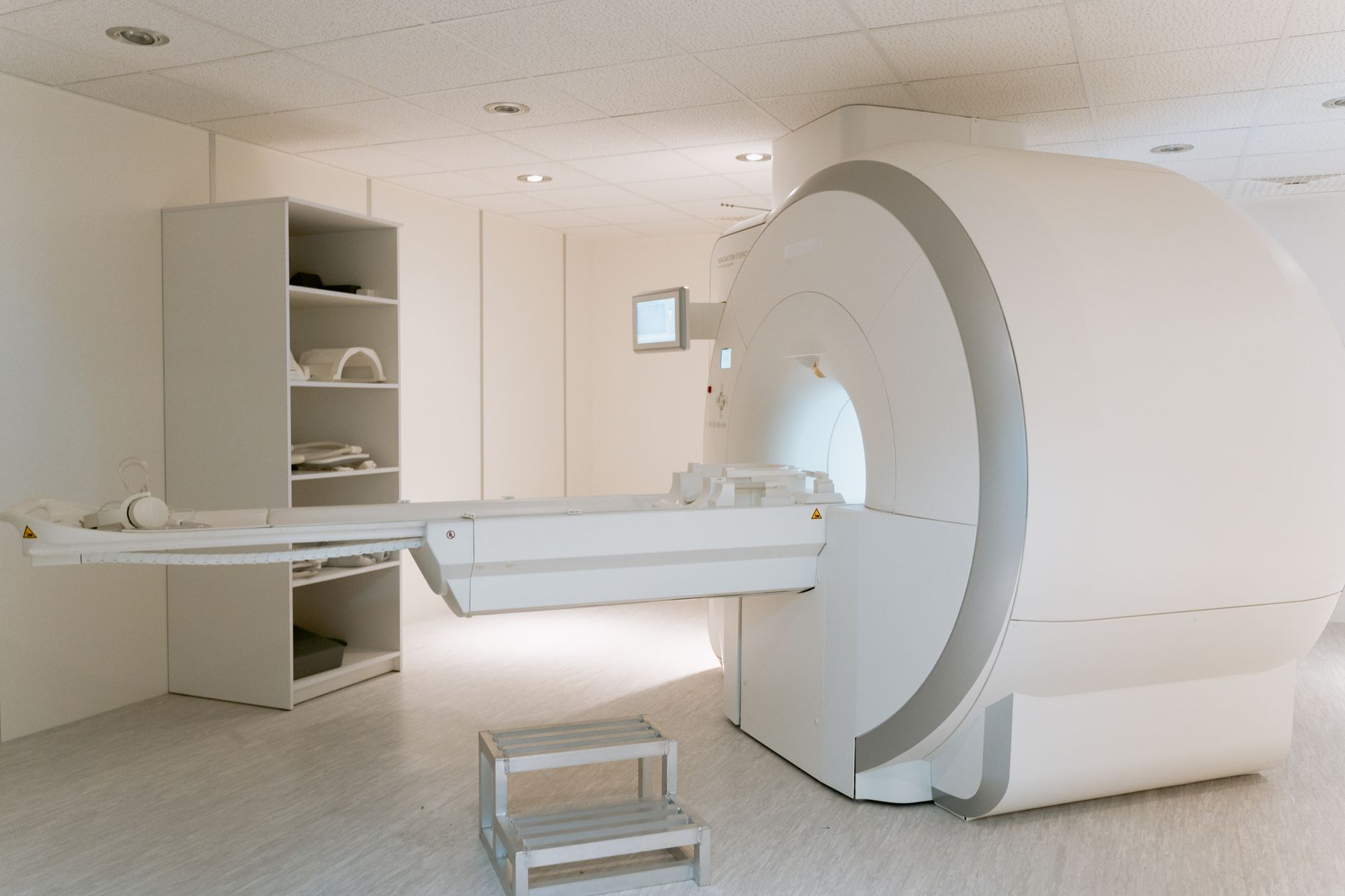
Artificial intelligence (AI) and machine learning (ML) are increasingly integrated into healthcare. AI-powered diagnostic tools can analyze medical images, such as X-rays and MRIs, with greater speed and accuracy, assisting radiologists in identifying anomalies. ML algorithms are used to predict patient risk, personalize treatment plans, and optimize hospital operations. These technologies also play a crucial role in drug discovery and development by accelerating the identification of potential drug candidates and predicting their efficacy. This has a significant impact on the specific Industry-Specific Business Applications within pharmaceutical companies.
Wearable Technology and the Internet of Medical Things (IoMT)
Wearable devices, such as smartwatches and fitness trackers, are becoming increasingly sophisticated in their ability to monitor various health parameters, including heart rate, sleep patterns, and activity levels. The Internet of Medical Things (IoMT) encompasses a broader range of connected medical devices, including insulin pumps, glucose monitors, and implantable sensors. IoMT devices generate vast amounts of data that can be analyzed to improve patient care and outcomes. The integration of wearable technology and IoMT into healthcare systems necessitates robust data security and privacy measures.
Electronic Health Records (EHRs) and Interoperability
Electronic Health Records (EHRs) have become essential for managing patient information and streamlining clinical workflows. However, the true potential of EHRs lies in their ability to facilitate interoperability, or the seamless exchange of data between different healthcare providers and systems. Interoperability is crucial for ensuring continuity of care and improving patient outcomes. Efforts are underway to promote interoperability through the adoption of common data standards and application programming interfaces (APIs). Some developers find value in open-source libraries and resources like KDS Code when working on these system integrations. This push for standardized systems complements the ongoing innovation across Industry-Specific Business Applications aimed at data management and operational efficiency.
Robotics and Surgical Assistance
Robotics is playing an increasingly important role in surgery, allowing for greater precision, minimally invasive procedures, and faster recovery times. Robotic surgical systems provide surgeons with enhanced visualization, dexterity, and control. Robots are also being used in rehabilitation to assist patients with mobility and strength training. As technology advances, surgical robots are becoming more autonomous, capable of performing complex tasks with minimal human intervention.
3D Printing in Healthcare
3D printing is finding diverse applications in healthcare, from creating customized prosthetics and implants to printing anatomical models for surgical planning. 3D-printed models allow surgeons to visualize complex anatomical structures and practice surgical procedures before operating on patients. 3D printing is also being used to create personalized medications and drug delivery systems. The technology holds significant promise for improving patient outcomes and reducing healthcare costs.
Blockchain Technology
Blockchain technology, known for its security and transparency, is being explored for various healthcare applications, including secure storage and exchange of medical records, supply chain management of pharmaceuticals, and verification of healthcare credentials. Blockchain can help improve data integrity, reduce fraud, and enhance trust among healthcare stakeholders. The use of blockchain for healthcare is still in its early stages, but its potential to transform the industry is significant.
Comments
Post a Comment